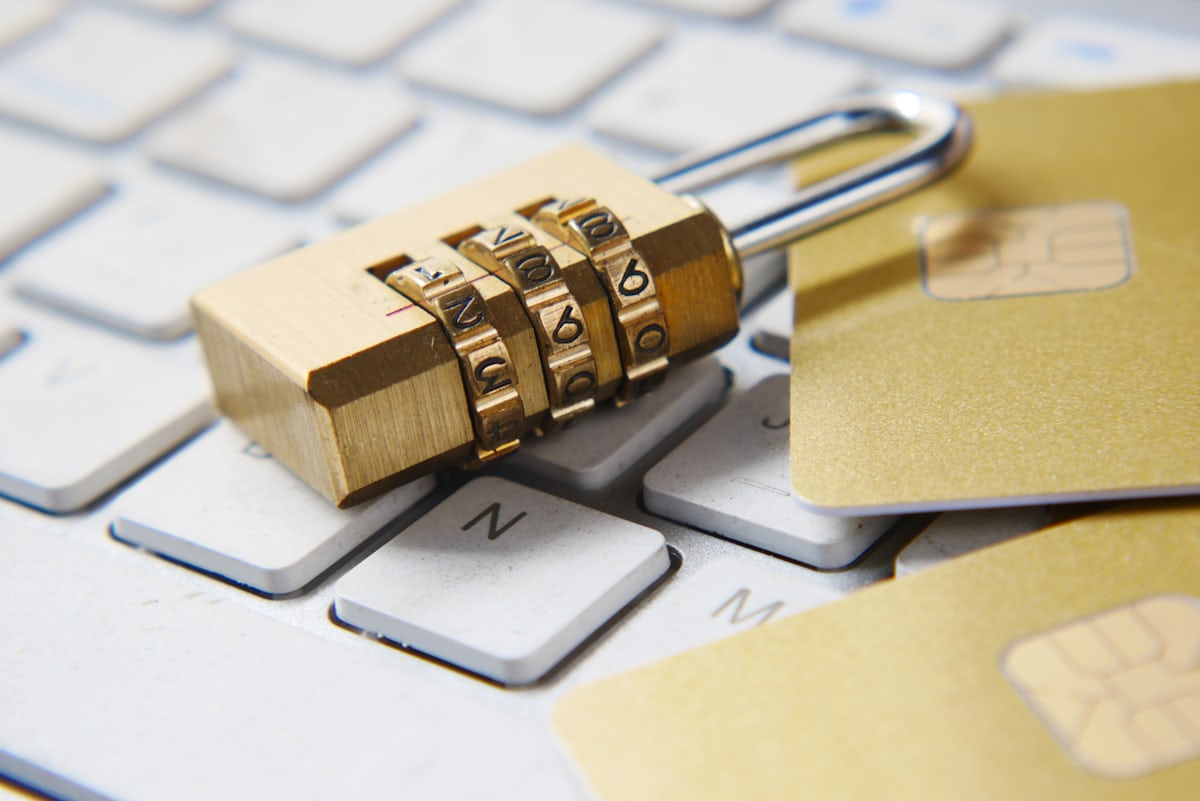
- Technical filters catch most phishing, but the ones that get through rely on a distracted employee clicking fast.
- Here is how to train your team to be the last line of defense.
No spam filter catches everything. The final defense against phishing is a staff member who pauses before clicking — and that pause is trainable in about thirty minutes, refreshed quarterly.
Common Phishing Types Targeting Nepali Businesses
- CEO fraud: an email impersonating a director urgently requesting a bank transfer.
- Invoice fraud: a fake vendor email with changed bank details on a familiar-looking invoice.
- Delivery/customs scams: fake shipping or customs notices with malicious links, common around import-heavy businesses.
- Fake login pages: emails mimicking Google, Microsoft or banking portals to harvest passwords.
The Warning Signs to Teach
- Urgency and pressure: "act now," "your account will be closed," artificial deadlines.
- Mismatched sender address: the display name says "Director" but the actual address is unfamiliar — always check the real address, not just the name.
- Unexpected payment detail changes: any request to change bank details by email alone should be verified by phone.
- Suspicious links: hover before clicking; a link claiming to be your bank that leads elsewhere is the clearest tell.
- Unusual requests from known contacts: compromised accounts often email their real contact list — unexpected tone or requests deserve a second channel of verification.
A Training Routine That Works
- A 30-minute onboarding session for every new hire covering the signs above with real examples.
- Quarterly refreshers — attention fades faster than most owners expect.
- A simple, blame-free reporting process: "forward suspicious emails to IT/admin" without fear of embarrassment.
- Occasional simulated phishing tests to measure — not punish — awareness.
Why "Blame-Free Reporting" Is the Single Most Important Design Choice
A training program's technical content matters less than whether staff actually feel safe reporting a mistake once it has happened. If the culture around a clicked phishing link is punitive, employees delay reporting out of fear or hide it entirely — turning a contained, fixable incident (a quick password reset and forwarding-rule check) into a much larger one discovered weeks later after real damage has accumulated. The single highest-leverage change many businesses can make is not a better filter or a longer training deck, but explicitly and repeatedly telling staff that reporting a mistake immediately is rewarded, not punished, and then actually behaving that way the first time it is tested.
Frequently Asked Questions
Is technical filtering enough on its own?
No — well-crafted targeted phishing (spear phishing) regularly bypasses filters. Human awareness remains essential.
What should staff do if they already clicked a bad link?
Report immediately, change the password, and check for unauthorized mailbox rules or forwarding — waiting makes recovery harder.
Are simulated phishing tests worth the effort for a small team?
Yes, even a simple, occasional test (a handful of staff, once a quarter) provides real signal about which specific warning signs are not sticking, letting training focus on actual gaps rather than generic content.
Protecting your business starts with reliable, filtered email hosting. Explore our email hosting plans or talk to our team.
Adapting Training Examples to Local Context
Generic international phishing-training material often uses examples (fake package delivery notices from foreign carriers, unfamiliar bank names) that do not resonate with Nepali staff the way locally relevant examples do. Training built around scenarios staff actually encounter — a fake NIC.np domain renewal notice, a spoofed eSewa or Khalti transaction alert, an impersonated customs or import notice — produces measurably better recognition than material translated or imported wholesale from a different market's threat landscape.