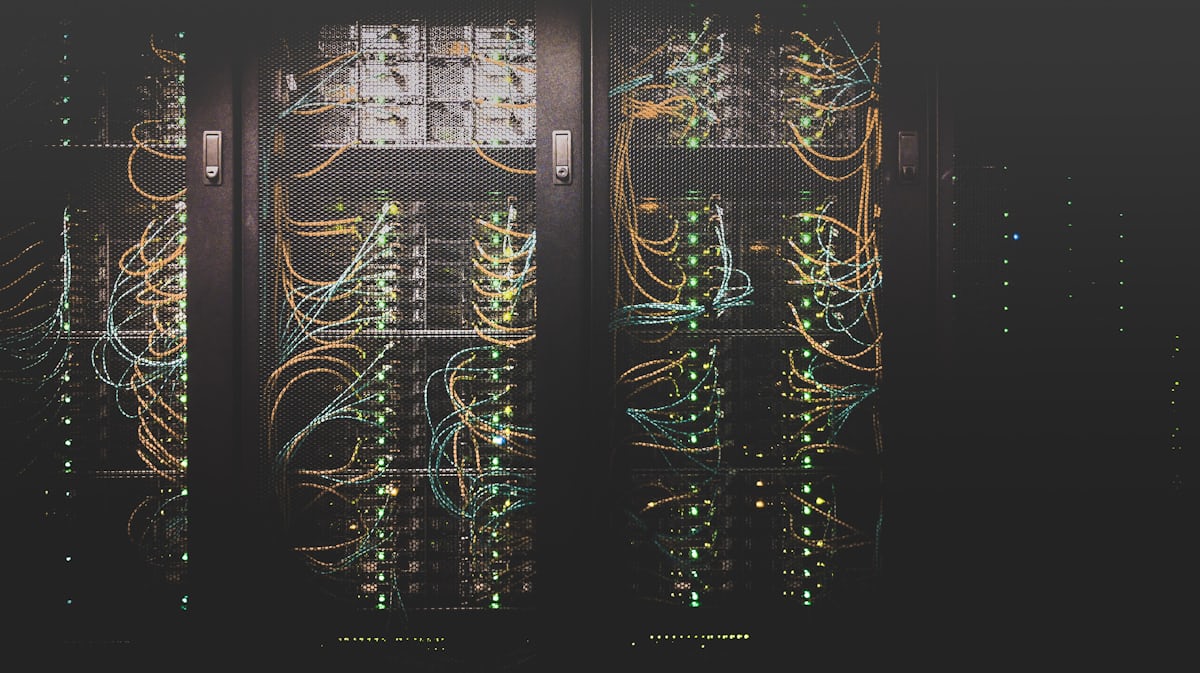
- Data centers consume real, significant energy.
- Here is what "green hosting" actually claims to solve, and how meaningful the option is for Nepali businesses today.
Web hosting has a genuine environmental footprint — data centers run thousands of servers continuously, consuming substantial electricity for computing and cooling. "Green hosting" marketing has grown alongside broader sustainability awareness, but the claims vary widely in substance.
What "Green Hosting" Actually Claims
- Renewable energy sourcing: data centers powered by solar, wind or hydro rather than fossil fuels.
- Carbon offset programs: providers purchasing offsets to compensate for their energy consumption.
- Energy-efficient infrastructure: modern, efficient hardware and cooling systems reducing waste.
How Much Energy Does a Typical Website Actually Use?
A single small business website — a few pages, moderate traffic, shared hosting — represents a genuinely tiny slice of a data center's total load, typically a fraction of a watt averaged across the thousands of accounts sharing that server. The energy conversation matters far more at scale: a busy e-commerce platform, a video-heavy media site, or an enterprise running dozens of dedicated servers has a footprint worth actively managing. For most small Nepali businesses reading this, the honest answer is that the choice of hosting provider affects your carbon footprint far less than choices like image optimization (smaller files transfer with less energy per request) and avoiding unnecessary third-party scripts that keep browsers and servers working harder than needed.
The Nepal Context
Nepal itself generates the vast majority of its electricity from hydropower — meaning data centers physically located within Nepal are, by the nature of the national grid, already running on largely renewable energy without any special "green" branding required. This is a genuine, underappreciated advantage of choosing locally hosted infrastructure.
PUE: The Metric That Matters More Than Marketing Language
Power Usage Effectiveness (PUE) measures how much total energy a data center consumes for every unit that actually reaches the servers doing useful work — the rest goes to cooling, lighting and overhead. A PUE of 1.0 would be perfectly efficient (impossible in practice); well-run modern facilities land around 1.2-1.4, while older or poorly designed ones can run 2.0 or higher, meaning roughly half the electricity is overhead. If a provider publishes a specific PUE figure, that is a far more concrete signal of genuine efficiency investment than the word "eco-friendly" on a pricing page, which carries no standard definition at all.
How to Evaluate Genuine Claims
- Look for specific, verifiable claims (percentage of renewable energy, named certifications, or a published PUE figure) rather than vague "eco-friendly" language.
- Consider that hosting physically located in Nepal inherits the grid's hydropower-heavy mix by default.
- Weigh carbon offset claims skeptically — offset quality varies enormously and is difficult for buyers to verify independently.
Should Sustainability Drive Your Hosting Decision?
For most businesses, hosting quality — speed, reliability, support, security — should remain the primary decision factor, with sustainability as a secondary consideration. The good news for environmentally conscious Nepali businesses: choosing quality hosting physically located in Nepal often satisfies both goals simultaneously, given the country's hydropower-dominant grid.
Frequently Asked Questions
Is Nepal-hosted infrastructure automatically "green"?
Broadly favorable given the hydropower-heavy national grid, though data center-specific efficiency still varies by provider and facility.
Should I pay more for a certified "green" international host instead?
Only if sustainability is a genuine priority for your brand — for most businesses, local hosting quality and performance should still be the primary factor.
Does dry-season hydropower variability affect data center reliability in Nepal?
Nepal's grid does see seasonal generation swings, which is exactly why a serious data center — ours included — runs on grid power backed by UPS and generator redundancy for genuine continuity, rather than depending on hydropower output directly for uptime.
Can a small business realistically calculate its own website's carbon footprint?
Free carbon-footprint calculator tools exist for websites and give a rough estimate based on page weight and monthly visitors — useful as a directional indicator, though the numbers vary in methodology and should be treated as approximate rather than precise.
Interested in locally hosted, hydropower-backed infrastructure? See our hosting plans or ask our team about our data center.