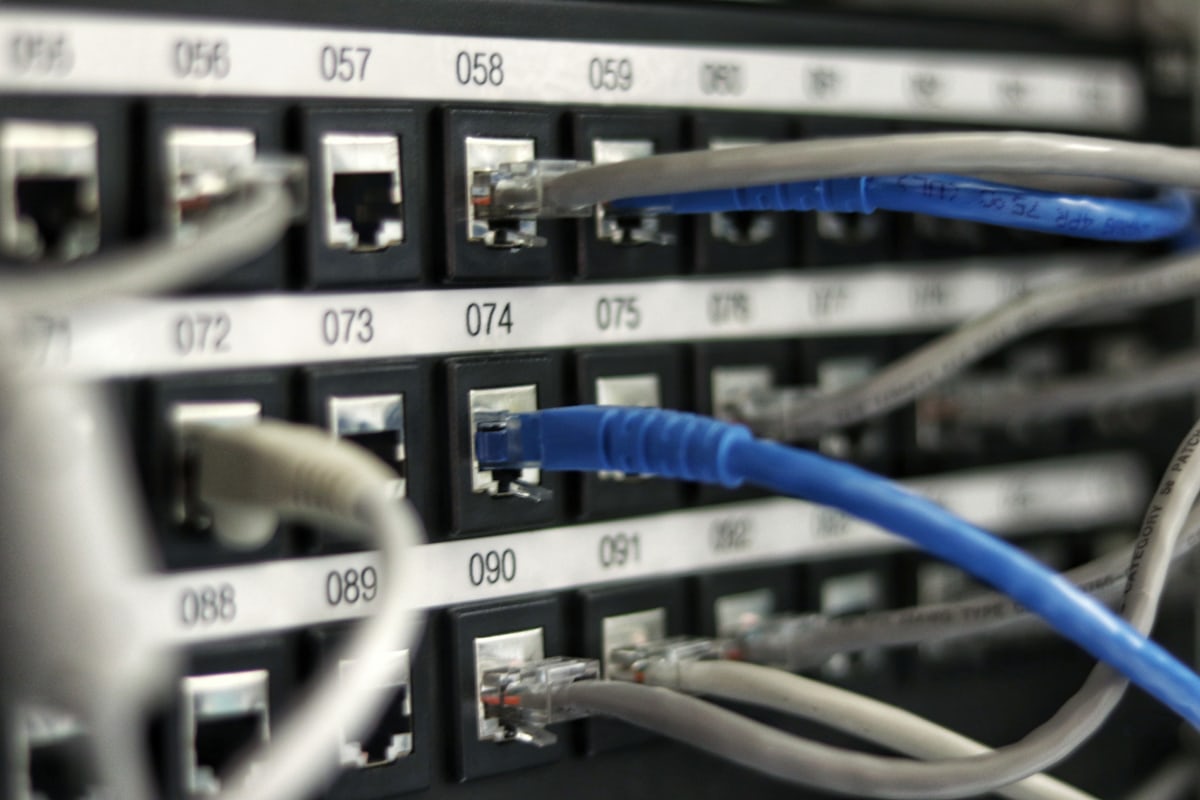
- When your server is completely unresponsive, SSH cannot help you — but iDRAC or iLO still can.
- Here is what out-of-band management actually does.
iDRAC (Dell's Integrated Dell Remote Access Controller) and iLO (HPE's Integrated Lights-Out) are out-of-band management systems built directly into enterprise server hardware — providing control that works even when the server's operating system has crashed, frozen, or lost network connectivity entirely.
What "Out-of-Band" Actually Means
Out-of-band management runs on a dedicated management chip with its own network connection, completely independent of the main server OS and its network stack. This means it remains functional even during a full OS crash, boot failure, or network configuration mistake that would otherwise lock you out entirely.
What You Can Do Through iDRAC/iLO
- Remote console access: see the actual screen output as if sitting in front of the server, including BIOS and boot screens.
- Power control: remotely power cycle, reset or shut down the server regardless of OS state.
- Virtual media mounting: mount an ISO image remotely to reinstall an OS without physical access.
- Hardware health monitoring: temperature, fan speed, power supply status and component health, independent of OS-level monitoring.
- BIOS configuration: adjust boot order and hardware settings remotely without physical presence.
Why This Matters for Dedicated Server Customers
Without out-of-band management, recovering from a genuinely broken server (failed OS update, misconfigured network, kernel panic) often requires physical data center access or waiting for provider support staff. With it, many such issues are self-resolvable in minutes, directly, at any hour.
A Realistic Scenario Where This Matters Most
Consider a common, genuinely stressful situation: a network configuration change intended to add a new firewall rule instead locks out all SSH access to a production server, and it happens at 11pm on a Friday. Without out-of-band management, the only paths forward are waiting for the provider's data center staff to physically intervene (subject to their own response time SLA) or waiting until Monday. With iDRAC or iLO configured and tested in advance, the same incident is a five-minute fix: open the remote console, log in locally as if physically present at the machine, correct the misconfigured rule, and confirm connectivity restored — entirely self-service, at any hour, without depending on anyone else's availability.
Security Considerations
- Out-of-band interfaces should never be exposed directly to the public internet — restrict access via VPN or IP allowlisting.
- Change default credentials immediately upon server provisioning — a known, persistent source of compromise when left unchanged.
- Keep firmware updated, as these management controllers have occasionally been the subject of their own security vulnerabilities.
Frequently Asked Questions
Do all dedicated servers include iDRAC or iLO?
Most enterprise-grade Dell and HPE server hardware includes it, though feature tiers vary (Basic vs Enterprise licensing) — confirm what level your specific server and provider offer.
Is out-of-band management the same as a KVM-over-IP device?
Similar in purpose but iDRAC/iLO is built into the server hardware itself, while a separate KVM-over-IP device is an external add-on achieving comparable remote access on servers lacking built-in support.
Should out-of-band access itself use two-factor authentication?
Where the platform supports it, yes — since out-of-band access bypasses the operating system's own security layers entirely, it deserves at least the same authentication rigor as any other privileged administrative access point, arguably more given what it can do.
Need a server with reliable out-of-band management? See our dedicated server plans or ask our team about remote management options.